Vets Playbook
An employment service for military veterans
About the project
Helping veterans find employment after military service
Finding meaningful employment is the number one concern for veterans leaving the armed forces. So for this project, I worked with USA military veterans in order to develop a service and web application that would help them land better civilian employment opportunities.The main challenge in this project is that the research, design, and development had to be done from scratch. This required that my team personally find military veterans who were suffering from employment problems, interview them, and stay in contact with them throughout the design process. In the end, we were able to create a fully functional web application specifically developed to address the needs of our nations heroes. Please read on to see how this was accomplished.
Role
UX Researcher
Client
USA Government
Type of Business
B2B + B2C
Date
2018 - Present
Planning phase - Customer Interviews
Finding the right customers to interview
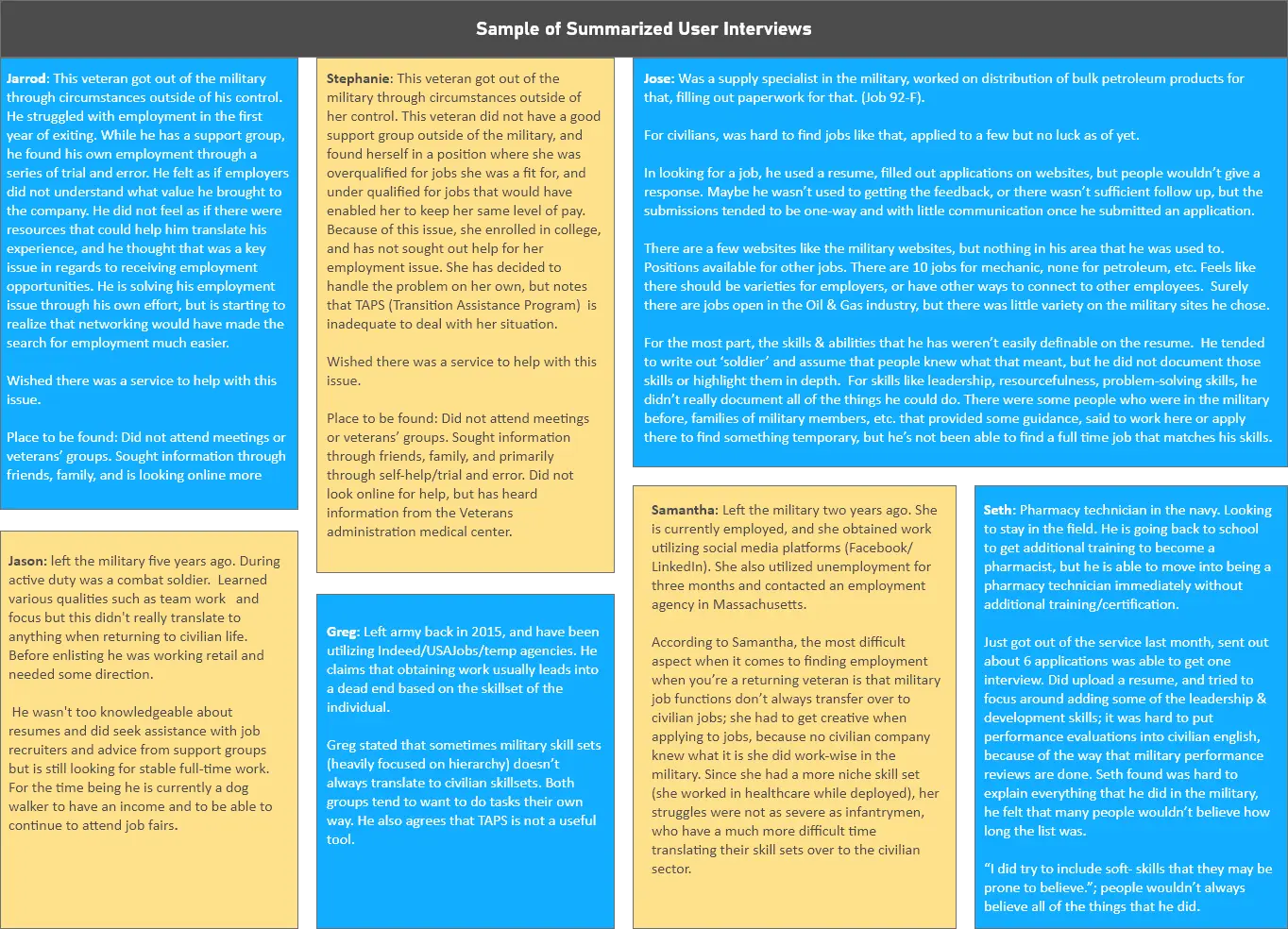
Upon leaving military service, veterans blend into the civilian population which presents a unique challenge in finding them in order to conduct an interview. In addition, we needed to find veterans that were specifically suffering from employment related issues. To overcome these issues, I created a survey (1284 respondents), and conducted 80 face-to-face interviews with those veterans who were suffering from employment related problems. The goal was to use both machine learning and user interviews to accurately pinpoint which veterans were likely to have employment issues when leaving the military.
Planning phase - Interview Insights
Customer pains, gains, and behavior
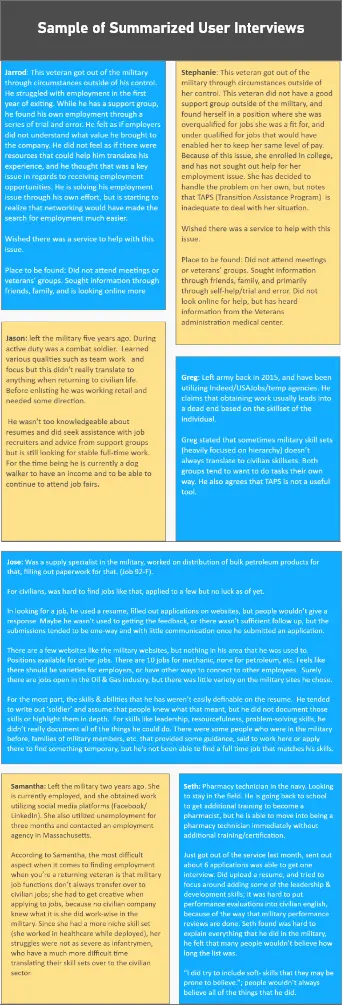
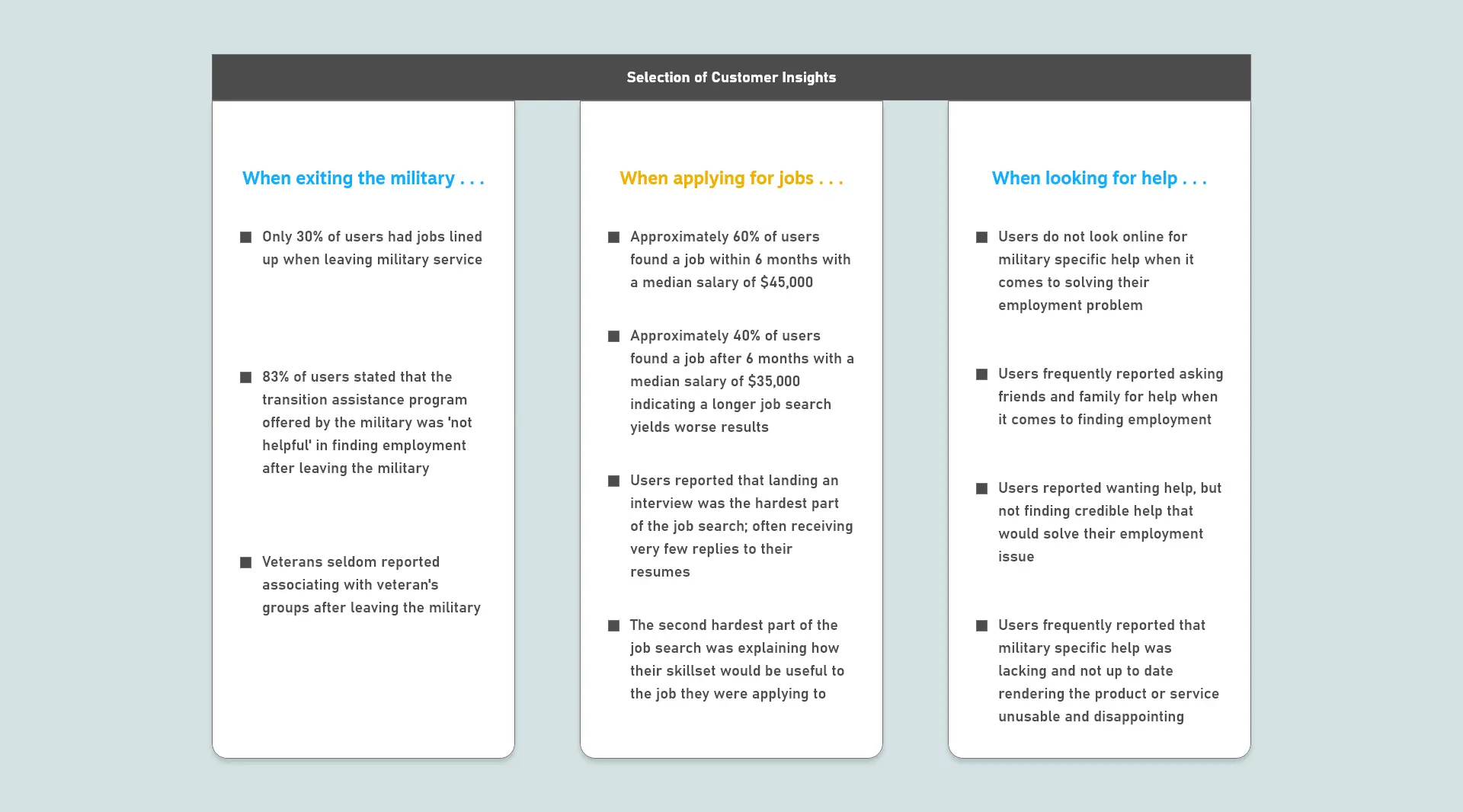
Understanding customer behavior is very important in designing a solution for a specific user group. We wanted to understand the pains that veterans felt when applying for jobs, how they overcame those challenges, if those solutions worked, and what they are currently doing to overcome their employment problems. Below is a brief look at the insights we gained from interviewing 80 veterans with employment issues.

Planning phase - Customer Personas
Who are our customers?
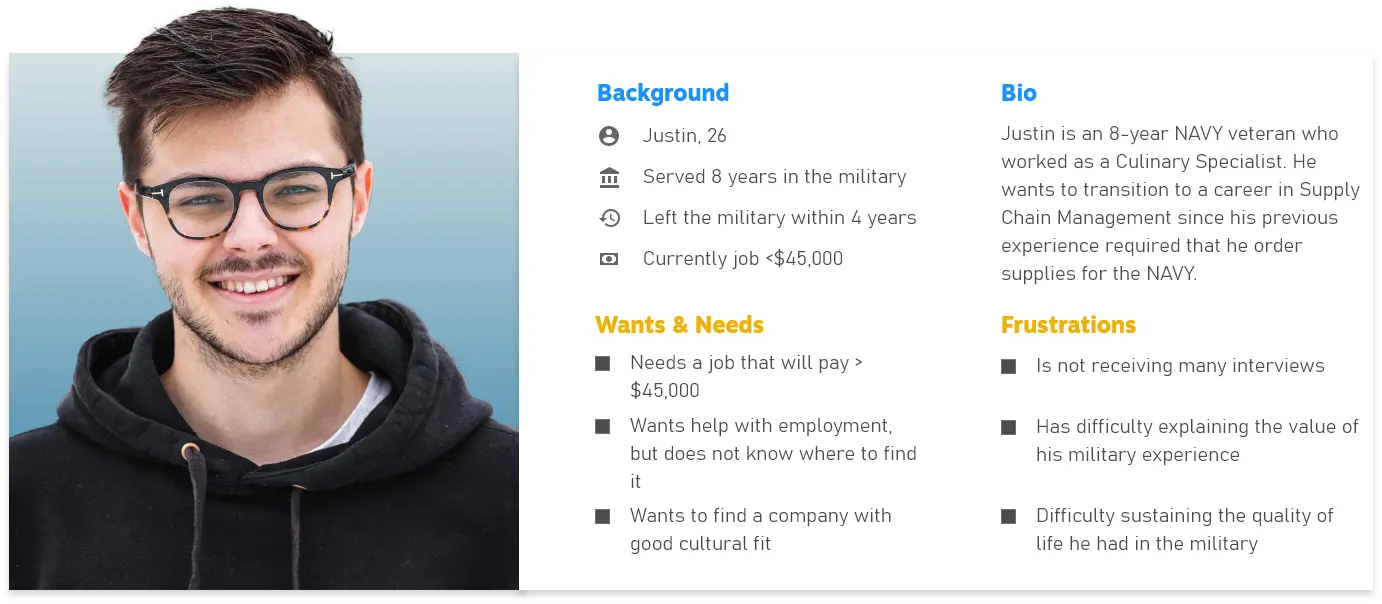
During the interview and survey phase of our research, we started to notice significant similarities in veterans who reported employment problems. These members tended to fall between the ages of 22 - 30, were enlisted, made less than $35,000, and typically left their first civilian job with 1 year. These same members also reported that their biggest frustrations were with resume writing, interview preparation, not having guidance with the job hunting process, and only started to look for help after encountering employment difficulties.
Design phase - Style & Wireframes
Choosing the style for this web app
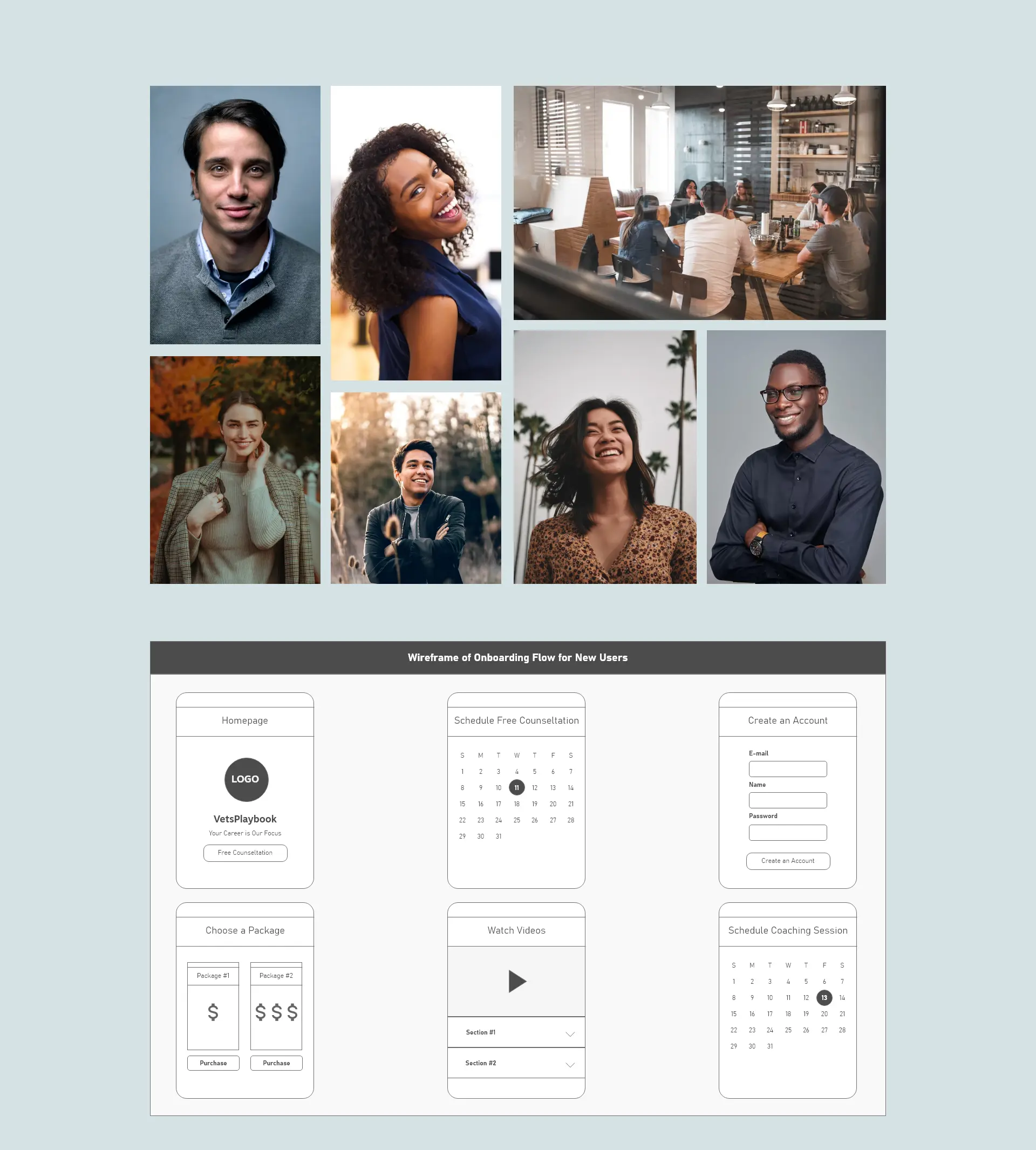
Our approach towards the style of our web app was heavily influenced by the data we collected from customers. While many veteran specific businesses use military imagery to attract veterans, our data showed that veterans tended to avoid those businesses and referred to them as being "not up to date and poorly designed". In addition, our data showed that this user group closely associated the business casual style of dress with professionalism. Because of these data points, we use very little military imagery to better appeal to this group, and included a focus on 1-on-1 coaching/service in the business offering.

Design Phase - Design System
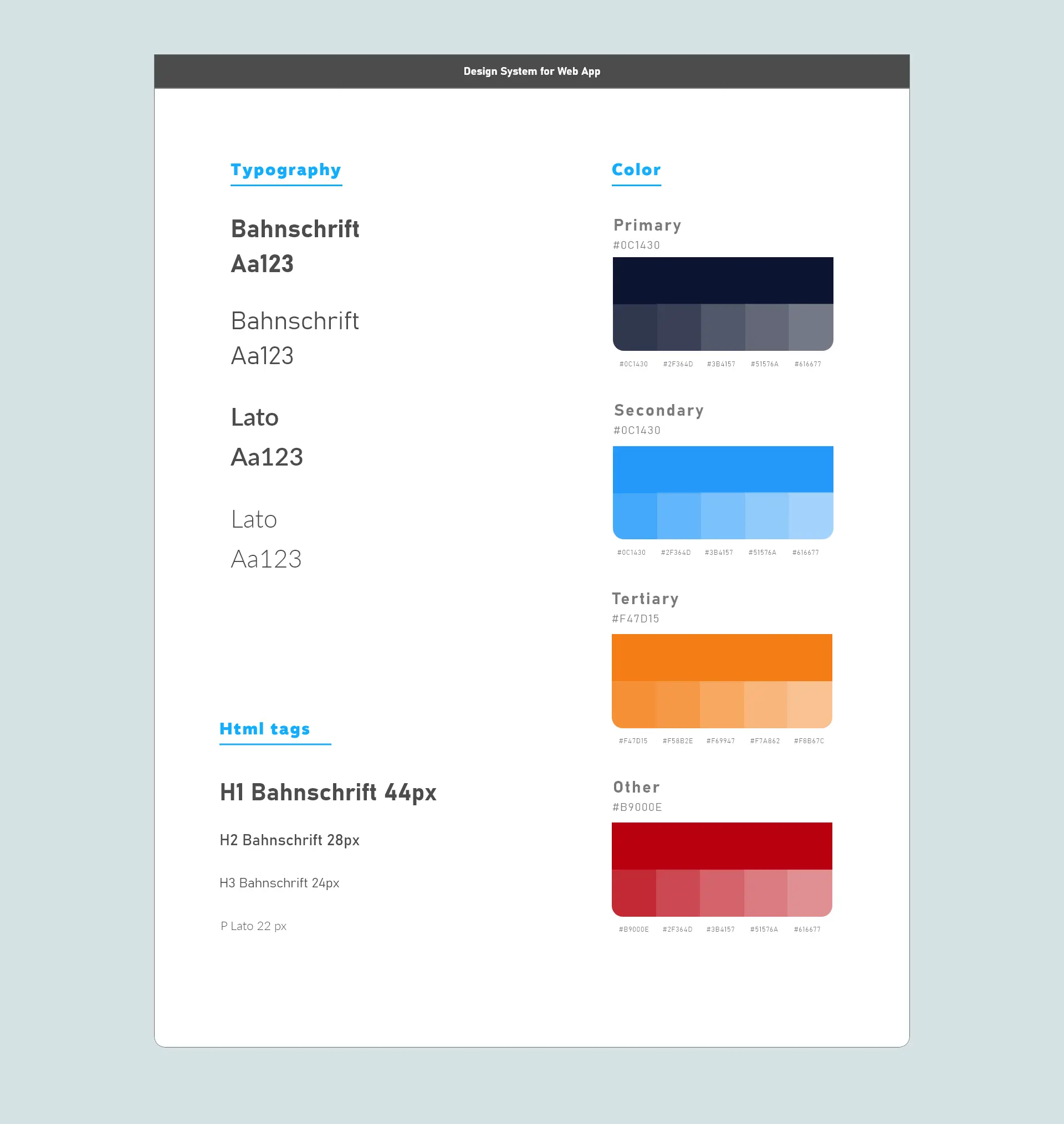
Creating the design system
Again, we turned to the data for insights on the choice of color and text. Because veterans had associated the business casual style with professionalism, we chose to use the color blue as it is traditionally associated with stability, trust, and professionalism. Our font choice followed a similar line of thinking.

Design Phase - Information Architecture
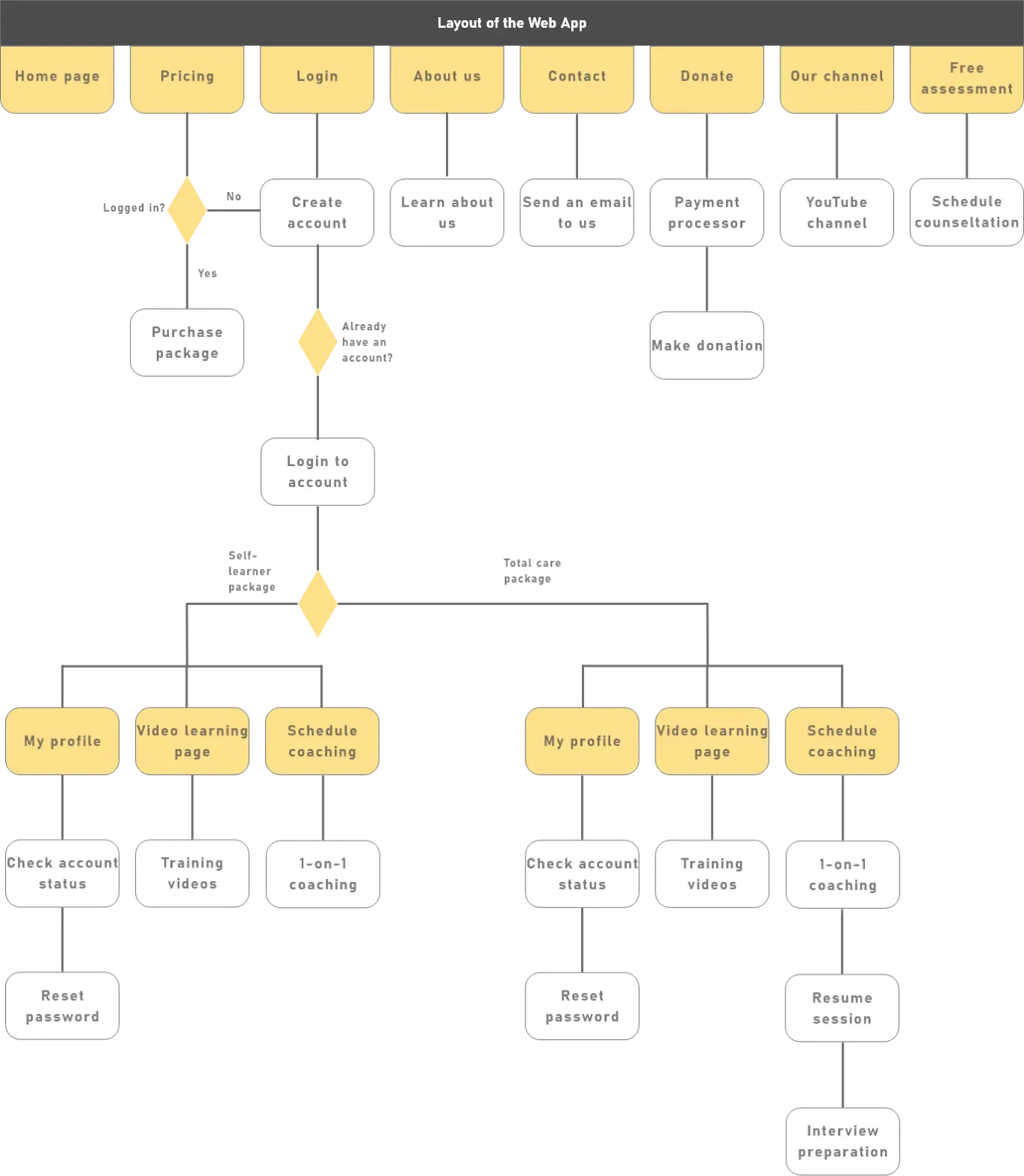
The layout of the web app
While there was significant similarities between customers, there was a major difference in the amount of help that a veteran would want from a service such as this. Some veterans just wanted to learn how to write resumes and prepare for interviews. Other veterans wanted a bit more hand holding throughout the process. This had major implications for the development of our web app as it meant we would need to detect and show different screens depending on the user's access. Below is how we designed our app to accommodate the user's needs.
Design Phase - High Fidelity Wireframe
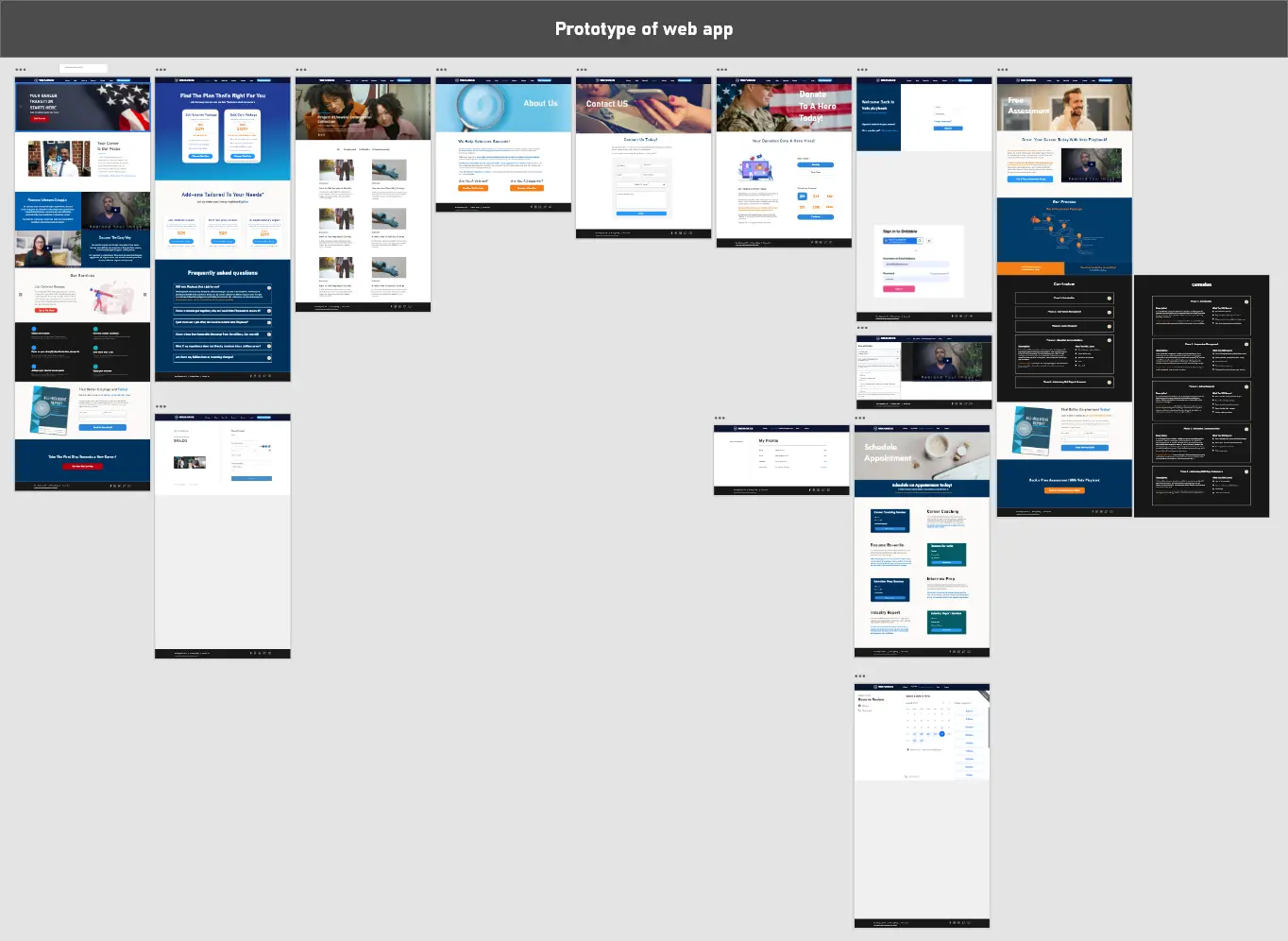
Prototype of the web app
With all the requirements gathered, its time to make a working prototype. Below is the layout for the prototype created. Prototypes are typically made with Adobe XD, Figma, or Sketch.
Development Phase - Building the Product
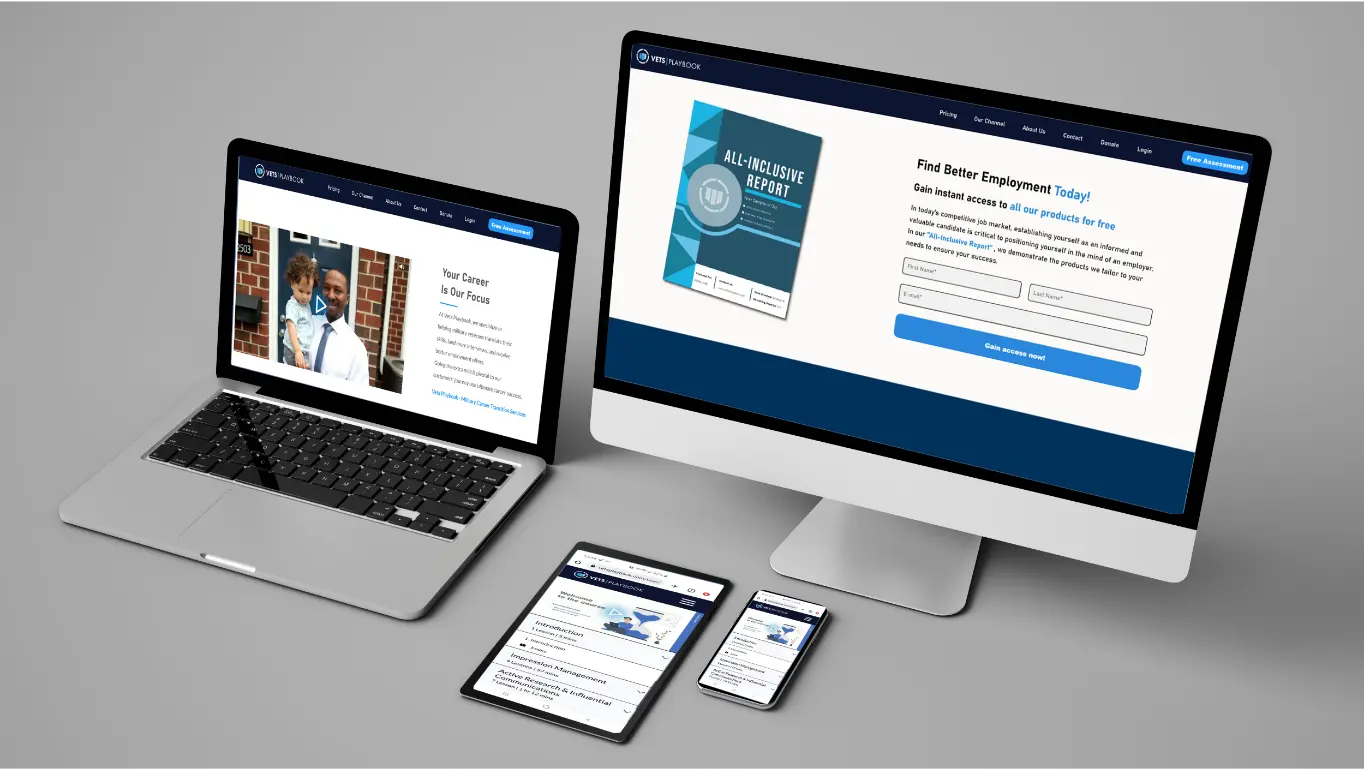
What does the final product look like?
Testing Phase - User Testing
Testing the web app with users & feedback
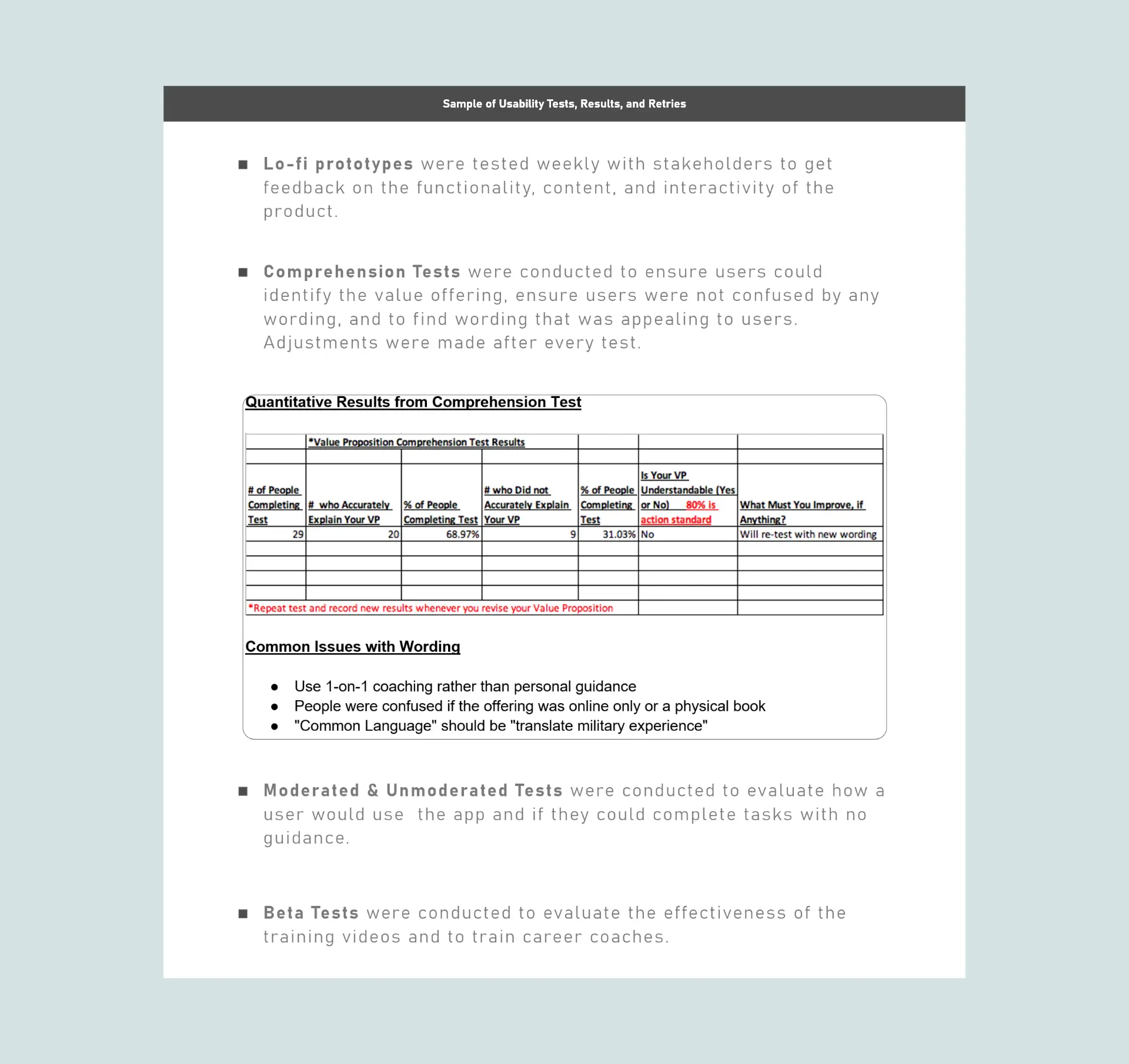
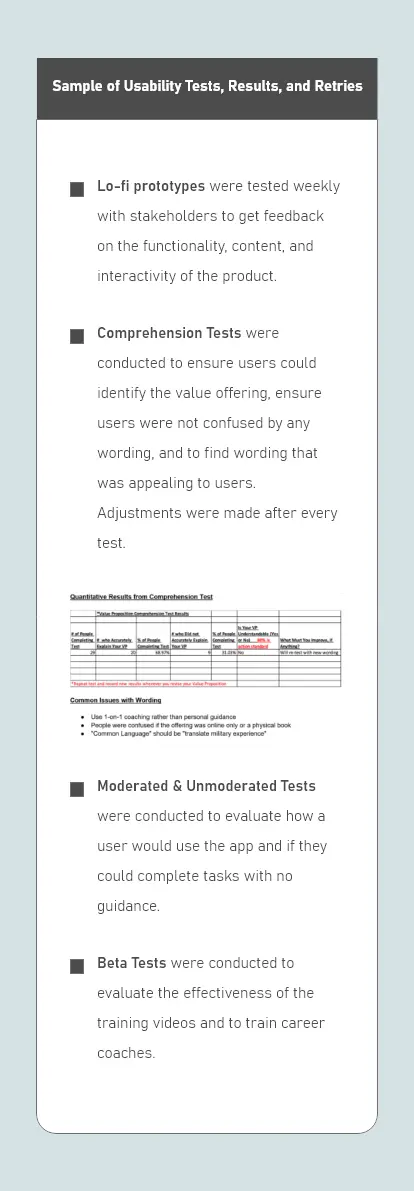
We were only able to build this service and web app with repeated testing and adjustments to the user's experience. Below are the tests that we did in order to craft an experience that users enjoy. These include some of the successes, failures, and adaptations we had to make to create a product that users would enjoy.
Lessons Learned
What lessons were learned during this process?
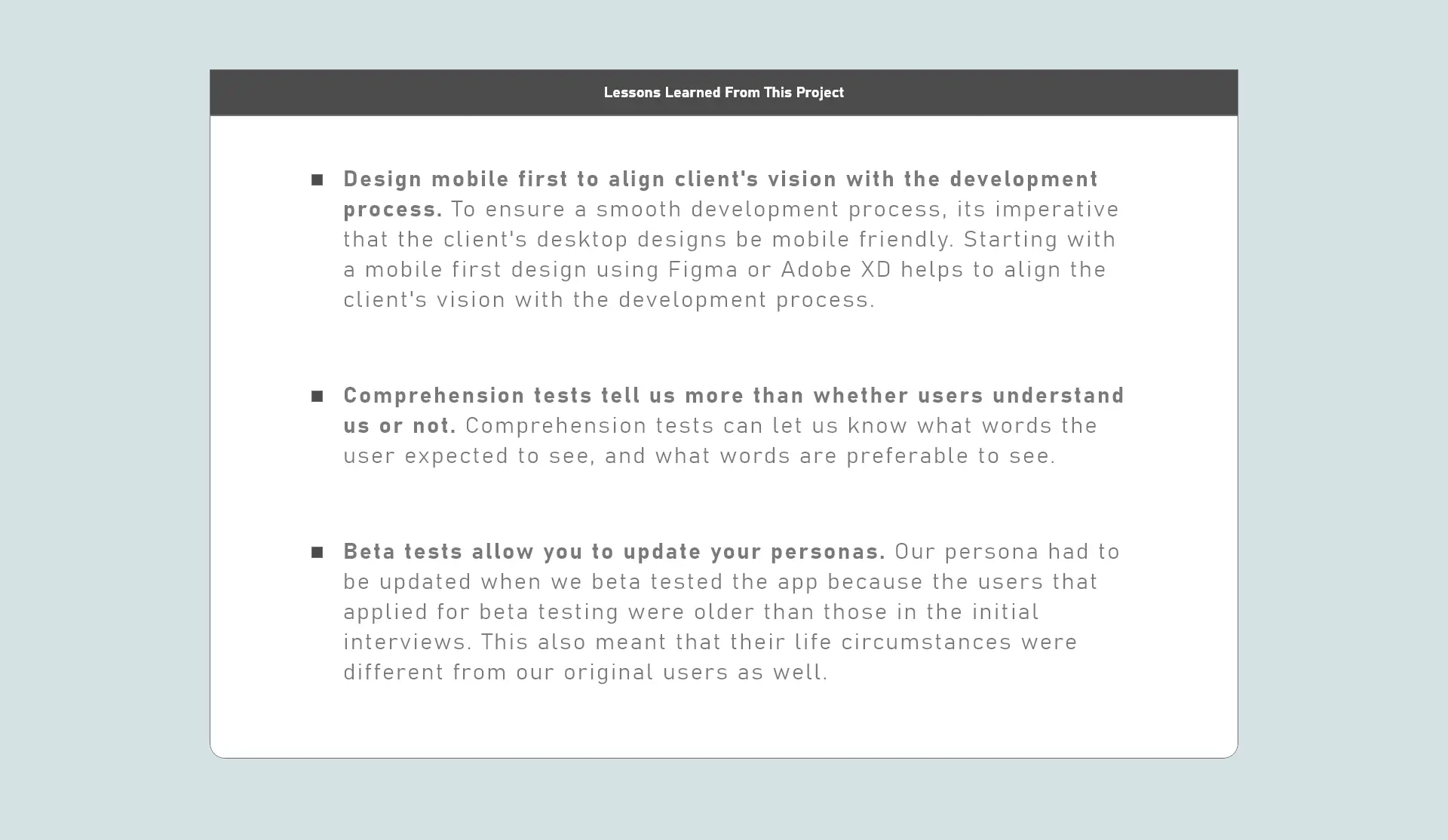
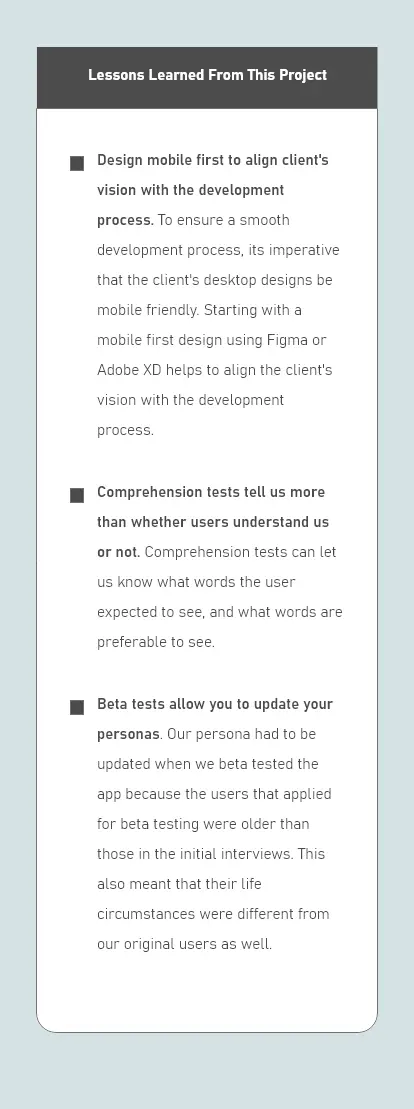
Building unique and valuable user experiences is never straight forward because of the often different and sometimes competing needs of the business, stakeholders, and customers. However, each project allows me to reflect and better my building approach for the next project. Below are a few lessons learned from this project.